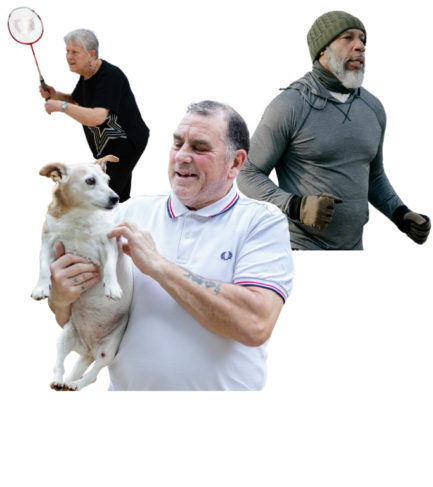
Getting older can bring its own mix of changes. You may feel like you have less energy, find it trickier to walk or balance, or simply feel less confident than you used to, all of which can affect your level of independence. Maybe you’re also managing a health condition or adjusting to changes in mobility.
Whatever your age, there are plenty of ways to fit activity into your life in a way that works for you.
Being active doesn’t have to mean running or going to the gym. It can be gentle, simple things you do each day. And it can make a big difference.
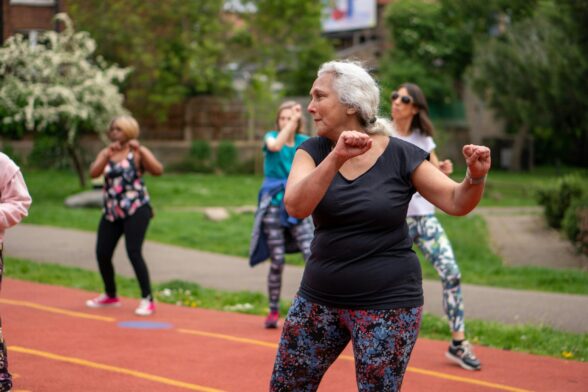
Activity helps people stay independent for longer
People who stay active in their older years are able to live independently for longer and often live more years of their lives in good health.
“As I am older (81 years old) physical activities are very important to keep my joints and muscles working well.” – Community member, Stoke on Trent
Worries about falling or injury are common, and they make sense. But building strength and balance gradually, at your own pace, can help you feel steadier and reduce the risk over time.
You might feel worried about falling or injuring yourself – and that’s completely understandable. But gradually building strength and balance can help you to feel steadier, be more mobile and actually lower your chance of falls or accidents. You don’t have to do everything at once; even small changes can help you move with more confidence.
How does it work?
If you’re struggling with mobility, getting active can feel challenging. Especially if you’re worried about accidentally hurting yourself. But once you get started, you’ll feel stronger and more confident about moving!
Regular activity strengthens our muscles – particularly in our legs and core (the area around the tummy, lower back, and hips) – which is really important for sitting, standing, bending, and staying balanced.
Doing activities that help with balance – like Tai Chi, yoga or simple balance exercises – can train your body to be more steady. That means if you trip or wobble, you’re less likely to fall
Getting active helps improve flexibility and endurance, and also gives you more energy. This makes it easier to react quickly to things like steps or uneven ground, so you’re less likely to trip or slip.
The more you get active, the stronger and more confident you will feel. As your confidence and strength grows, you’ll feel less worried about hurting yourself – helping you to get even stronger and more independent. Remember, it all starts with one small step.
How to get started
It’s completely normal to feel nervous about getting active – particularly if you’re living with health conditions or limited mobility. You’re not alone and remember, it’s ok to start small. Even a bit of movement makes a difference.
Here are some things you can try to get you started:
Try some gentle chair yoga or simple stretches. Even lifting your hands above your head or reaching down to touch your toes counts! There are lots of free videos you can watch online.
Getting up to make a cup of tea or get yourself a drink is a great way to get you up and moving.
Going for a short walk down the street is a good way to get moving, get some fresh air and have a chance to interact with other people.
Simple movements, like marching on the spot or having a dance while the kettle boils, also make a difference. Find what you enjoy and do the movements that work for you.
🩺 Ask your doctor
If you’re nervous about getting active or aren’t sure where to start, make an appointment to speak to your doctor. They’ll be able to reassure you about which types of activity and movement are safe for you, advise you on how to get started, and let you know about local groups you may want to try.
Keep your mind sharp
As well as physical health, activity helps to boost your mental health, keeps your memory sharp and helps you to stay independent for longer.
Regular activity increases blood flow to the brain. This is important for keeping the brain healthy and happy! Good blood flow helps the brain to make important connections so it can learn new information and record memories.
Moving your body releases ‘feel good’ chemicals in the brain which lift your mood, make you feel more motivated and help you sleep better. Lower stress and a happier mood are linked to better memory and brain function.
Getting active is linked to deeper, better quality sleep which is vital for storing memories and processing emotions.
People who are active have a much lower chance of getting memory loss conditions like dementia and Alzheimer’s disease. People who aren’t physically active are nearly twice as likely to develop conditions which affect memory.
It’s never too late to start
Remember, it’s never too late to start. Getting more active will start making a difference to your health straight away – even if it’s just small movements! Whether you’ve been active in the past or are trying it for the first time, there’s something to suit everyone – no matter your age or ability level.