Around 1 in 4 adults across England experience some kind of mental health challenge each year.
That means most of us will experience poor mental health at some point in our lives, such as a period of anxiety or depression. The good news is that there are things you can do to help keep yourself healthy and happy, as well as improve your mood and outlook if you’re feeling low.
“Being active makes me feel alive, keeps me calm and regulates my emotions.”
– Community member, Stafford

It’s ok to ask for help
Asking for help is really important if you’re struggling. Your mental health is just as important as your physical health. Try thinking about it like this, nobody would expect you to carry on walking around like normal if you had a broken leg!
If you’re struggling or worried about your mental health, book an appointment with your doctor. They’ll be able to help you decide what steps to take to get you feeling better. Remember, you’re never being a burden by asking for help – you’re actually doing the responsible thing for you and the people you care about.

How activity can help
Getting active is proven to help boost your mood and how you feel about yourself.
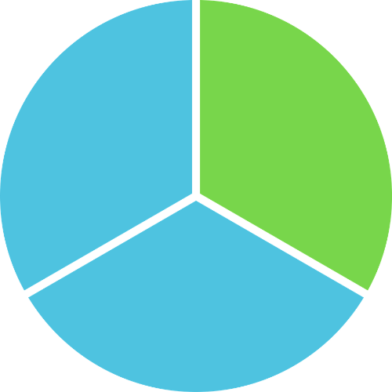
Regular activity can reduce your risk of depression by up to a third.
People who aren’t active (participate in less than 30 minutes of physical activity per week) are three times more likely to experience depression than people who are active. But even a small amount of activity can make a difference.
“Being active fills me with joy, I can really feel it in my mood if I’m not active.”
– Community member, Staffordshire Moorlands
Regular activity also:
✅ Reduces anxiety and stress
✅ Boosts confidence & self esteem
✅ Helps to maintain healthy relationships
✅ Increases patience and mental focus
✅ Improves sleep quality and boosts energy
✅ Improves mental health straight away and over time
How does it work?
This might sound too good to be true, but all of these mental health benefits are supported by science and research.
So, how does it work and why does regular activity improve our mental health so much?
When you get active and move your body, your brain releases ‘feel good’ chemicals. These reduce anxiety and stress, improve motivation, and help to regulate things like mood, appetite and sleep patterns
By improving physical strength, flexibility and stamina, our bodies are better able to cope with the demands of day to day tasks and activities – so that we have more energy left over. It’s a bit like the chicken and the egg, the more we get active, the more mental and physical energy we have.
Activity increases blood flow to the brain, helping us feel less tired and improving mental focus. While we might feel tired and unmotivated after a long day at work or if we’re feeling low, getting active actually boosts energy, gives us a sense of achievement and makes us feel better about ourselves and our bodies.
Moving your body is directly linked to better, deeper sleep, which is key for looking after our brains, recording memories, and processing emotions we’ve felt during the day.
All of these things together help improve our mood and make us more energised, confident, patient, and open to listening. When we look after ourselves, we have more energy to give to our relationships.
Boosting confidence
And getting active doesn’t just improve our mental health because of how it affects our bodies and brain chemicals! It also helps to boost our confidence and sense of achievement.
Getting active often means getting outside – even if it’s just for a walk down the street or popping into the cornershop. Fresh air, a change of scene, and green spaces all help us feel calmer and more relaxed.
Activity is also a great way to meet others, make new friends and build a community. Joining an activity such as a Parkrun or community led group can help you to feel more connected and help reduce feelings of loneliness and isolation.
Trying something new and increasing your physical strength and resilience are fantastic ways to boost your confidence and self esteem. Regular activity gives you a sense of achievement and shows you how your energy and fitness improve because of your determination and commitment.
Being active doesn’t just improve mental health over time, it’s proven to help us feel better immediately. Simply going for a walk, getting out of a chair, or gently moving our bodies can help lift our spirits and help things feel more manageable. Knowing you have the power to improve your own mood will also help you feel calmer and more confident.
We’ve put together a quick checklist of things you can do to help manage your nerves when trying out a new activity:
If you’re considering joining a new class or group, try going along to the venue in advance so you know what to expect. You can find out where everything is, what the room looks like, and how to get there. This can help prepare you and help you feel more relaxed when you go along on the day.
Contact the organiser and ask them any questions you might have. A good leader will be happy to answer your questions, be understanding of your concerns and be willing to accommodate any needs you have.
If you’re feeling nervous, ask a friend or family member to come along with you. You don’t have to do it on your own. Not only will it give you more confidence and extra support, but it will help them to get active too!
It’s important to start small and build up over time. It takes time to build fitness, strength and flexibility, so take it a step at a time and try not to compare yourself to other people. Start with an ability level which suits you and steadily grow your confidence.
It might sound silly, but remember to be kind to yourself! Everyone has to start somewhere and it’s important to recognise your personal achievements. Remind yourself what a good job you’re doing and recognise the effort it takes to overcome nerves and try something new.